
Learn more about your home equipment.


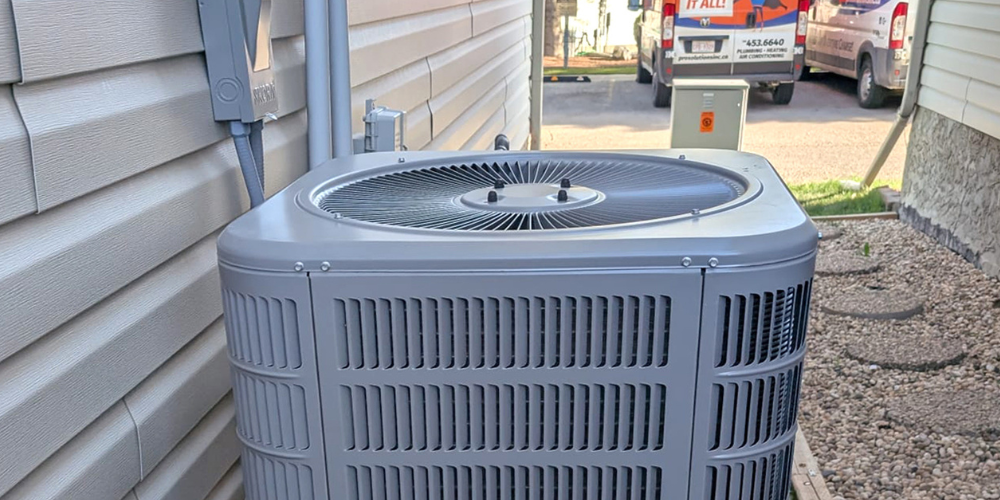




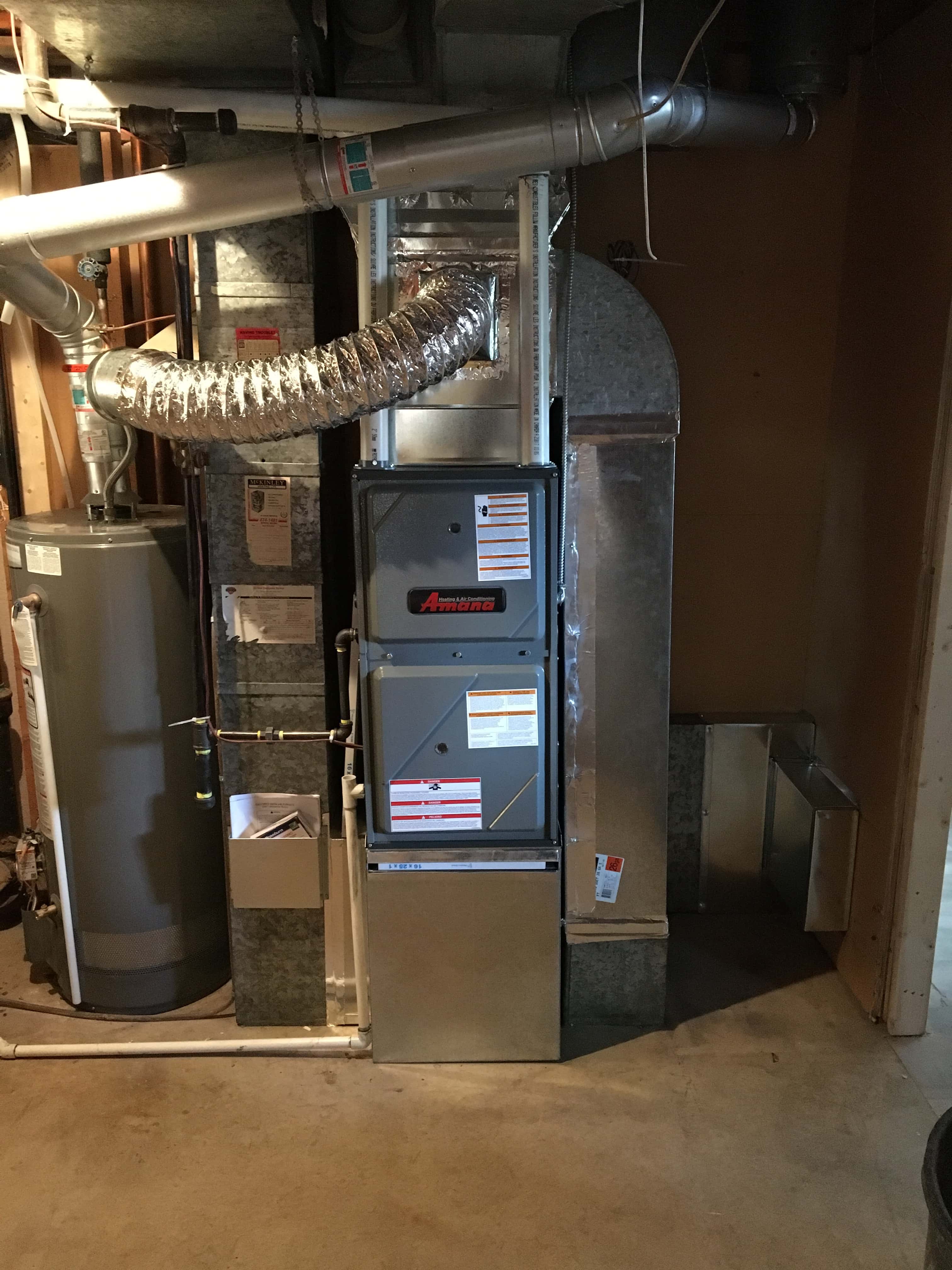
Not sure about your home's comfort equipment? We've compiled the questions we see most often, about the equipment homeowners in the Edmonton & surrounding area need most.
While not necessary, if you don’t like paying for seasonal coil cleaning services (they are invasive, take a lot of time, and cost a lot, so we get it!), a UV light is something to consider for sure. Condensation builds on the coils that sit on top of your furnace, and with that area being dark and damp, mold, bacteria, and gunk build up over time. A UV light mitigates much of the necessary coil cleaning, so it can definitely be helpful!
If you have ductwork in your home, then yes! Even if you don’t have a furnace, we can install a central AC for you with an air handler or a blower system. For more information, book a free in-home estimate with ProSolutions!
Yes, but only if you get ductwork installed. If installing ductwork is not an option, then unfortunately, no you will not be able to have central AC installed.
However, you CAN get a mini-split AC! With a simple condenser, you can get up to 3 heads for effective, efficient cooling throughout your home. The great thing about mini-split ACs? You can have different “zones” so everyone gets to stay comfortable!
Central AC uses the same ductwork and filter as your furnace. This means it's extra important to make sure you're changing your furnace filters according to the manufacturer's recommendations and your personal usage.
Pro Tip: Our ProComfort and ProCooling Memberships include discounts on tune-ups, repairs, and even filter delivery—helping you extend the lifespan of your AC!
One mini-split outdoor unit can connect with 3 indoor heads. So putting a unit in every room may not be possible, scheduling a free in-home estimate with our Home Comfort Advisors can help you find the right AC configuration for the layout of your home as well as your household's cooling needs.
Typically, an air conditioner installation takes about 5 hours. However, this time can vary depending on many factors, such as the type of AC, your existing system, the installation location, and more. The best way for an accurate answer is to schedule a free in-home estimate with ProSolutions, where our expert technicians can assess your home, your current system, and your household needs.
Air conditioners can typically have an expected lifespan of approximately 15 years with regular maintenance and servicing, though once an AC is older than 10 years, it may be time to consider an upgrade. New, modern models often have higher efficiency rating, better humidity control, and quieter operation, meaning you can decrease your energy bills while increasing your home comfort.
Pro Tip: Our ProComfort and ProCooling Memberships include discounts on tune-ups, repairs, and even filter delivery—helping you extend the lifespan of your AC!
A common estimate for installing a new air conditioning system in an Edmonton home can range anywhere from about $5,000 - $15,000+. The number can vary depending on factors such as equipment, labour, and other circumstances, which is why it's important to get an estimate. During your free in-home estimate, a ProSolutions professional will consider your home, your existing system, and your household needs, making sure to answer any questions you may have.
Not at all! We highly recommend a mini-split AC, because mini-splits are excellent options with incredible, effective, and efficient cooling—especially for smaller homes. With a simple condenser, you can get up to 3 heads throughout your home. The great thing about mini-split ACs? You can have different “zones” so everyone gets to stay comfortable!
Book a free in-home estimate with ProSolutions to see if mini-split ACs are right for you!
Even if your air conditioning system is still working, if your AC is 10-15+ years old, you may want to consider an upgrade. New, modern air conditioners are typically much more efficient at cooling your home while using less energy, meaning you save more money while staying comfortable. Modern ACs are also more likely to offer more cooling options, better humidity control, and quieter operation.
No, it isn't! Correct sizing is important when choosing an air conditioning system, because you want a balance of cooling and humidity control. If an AC is too large for a space, you may experience discomfort from the space cooling too fast without appropriate humidity removal—resulting in feeling too cold and clammy. Plus, other issues can arise, such as frequent cycling and freezing units. That's why it's important to make sure your air conditioner is correctly sized for the space required!
A MagicPak is indeed an all-in-one system! It is heating, ventilation, and air conditioning all in one handy, compact unit.
Central air conditioning systems offer even, whole-home cooling with the added benefits of less visible bulkiness in your living space. The ability to quietly maintain consistent temperatures throughout the entire home often means increased, seamless home comfort through every season.
Mini-split ACs are growing in popularity because they're exceptionally energy efficient, provide customizable and individual zone controls (room by room comfort!), and installation is non-intrusive. Mini-splits are perfect for homes without ductwork and for families who have different comfort needs!
SEER stands for Seasonal Energy Efficiency Ratio, and the higher the SEER rating, the more efficient an air conditioner is at cooling your home. If you see SEER2, that is the updated version of SEER.
Mini-split air conditioners don't require any ducting to cool your home, providing individual, zoned control for comfort. Heat pumps warm AND cool a home by moving heat from one area to another. While heat pumps can be installed to work with ducted or ductless systems, heat pumps are particularly efficient when paired with the mini-split. In fact, they are so commonly used together that people often mean "mini split heat pump" when referring to only a "mini split."
Both are efficient air conditioning systems, but the biggest difference is that central air conditioners use ductwork (the same ducting as your furnace, if you have one) whereas mini-splits do not require any ductwork. Central AC is great for whole-home cooling without any visible bulkiness in living spaces, while mini-splits allow for efficient cooling and individual zone control. To learn which system is best for you and your household needs, consider a free in-home estimate with ProSolutions!
There is no "one size fits all" when it comes to an air conditioning system. Instead, the best AC for you is the one that has been custom-chosen for your home. When selecting an AC, ensure you take into account details specific to you, such as the size of your home, your budget, your existing HVAC system and whether you have existing ducting, the number of windows you have, and your home comfort expectations.
If you're unsure or have any questions, book a FREE in-home estimate with us!
ACs need to be calibrated to the outdoor temperature in order to cool your home efficiently, which is why a tune-up or a start-up service is so important!
Pro Tip: Our ProComfort and ProCooling Memberships include discounts on tune-ups, repairs, and even filter delivery—helping you extend the lifespan of your AC!
We recommend using your AC especially during wildfire season because you can close all your windows without your home getting too hot. Keeping the windows closed during wildfire season is important for decreasing health risks from the dangers of wildfire smoke.
For more information about wildfire smoke and health visit MyHealth.Alberta.ca
It always seems like air conditioners break down when we need them most—during the hottest days! With Alberta's intense summers, it's extra important to get regular AC maintenance, servicing, and tune-ups to ensure every part of your AC system is in tip-top shape. Tune-ups may include checking refrigerant levels, inspection, and cleaning.
Pro Tip: Our ProComfort and ProCooling Memberships include discounts on tune-ups, repairs, and even filter delivery—helping you extend the lifespan of your AC!
Absolutely! Our ProHeating membership plan is a furnace maintenance plan designed to help keep your equipment running for years to come. It comes with discounts on repairs but most importantly, a free tune-up every year. Tune-ups are essential parts of your furnace's maintenance that can not only catch potential issues before they arise (preventing those middle of winter breakdowns) but also keep your warranty up to date.
You can learn more about our ProComfort membership plans here.
Yes! Today's cold-climate heat pumps are far more advanced than older models, as they're desigend to handle Edmonton's intense temperature swings.
Yes! Today's cold-climate heat pumps are far more advanced than older models, as they're desigend to handle Edmonton's intense temperature swings.
Absolutely! Heat pumps move heat from one location to another (from inside your home to outside of your home or the other way around). That means heat pumps can both heat AND cool your home!
In Alberta, only licensed HVAC technicians with the proper permits can install gas furnaces. This is because furnace installation involves natural gas and electrical work, both of which must meet strict Alberta Safety Codes standards. In fact, even if you're replacing an electric furnace, DIY installations can lead to costly problems down the line, including poor airflow, reduced efficiency, and premature breakdowns. A professional furnace installation with ProSolutions is simple, easy, and efficient—and ensures your safety.
There's no "one size fits all" when it comes to furnaces, even with Edmonton's cold winters. Instead, the best furnace is one that has been custom-chosen for you and your home. When selecting a new furnace, it's important to ensure you take into account certain details, including the size of your home, layout, budget, and household needs.
That's why ProSolutions offers FREE in-home estimates for your new furnace, where our expert technicians will assess all the pertinent factors and work with you to ensure you understand your options and feel confident with your choice.
Despite Alberta's tough winters, many homeowners find heat pumps often save them more money in energy bills in the long term, because new heat pump technology means they continue working even in significantly colder temperatures. In addition, heat pumps are always a great home comfort solution for the milder months between the cold and hot seasons--when it's too warm for the furnace but too cold for the air conditioner.
To keep your boiler running efficiently, safely, and reliably, it should be professionally serviced once a year. This annual maintenance helps catch small issues before they become big (and expensive) problems, improves energy efficiency, and keeps your warranty valid. The last thing anyone wants is for your boiler to fail when you need it most!
Yes, furnace filters should be changed even in the summer! While your furnace might not be heating, your HVAC system's blower and ductwork are still in use when running your central AC, which means your furnace filter is still in use. Continue following the manufacturer's recommendations for changing your filter (typically every 1-3 months) or depending on your family and household sensitivities.
Pro Tip: Our ProComfort Dual and ProHeating Memberships include an Air Filter Delivery Add-On—we’ll send the right filter to your door on schedule so you never forget, and your HVAC system stays efficient year-round.
We install both gas and electric garage heaters! Because garage heaters affect the environment of your garage space, it's important to ensure a professional, certified technician reviews the size, layout, and heating needs of your garage to offer options best suited to your needs. For a free in-home estimate, give us a call!
Furnaces can stop working for many reasons—some simple, some more serious. If you're comfortable with looking for some common causes, you can check things such as your air filter to see if it needs replacement (dirty or clogged filters can restrict airflow), whether your thermostat is out of batteries, and whether the breaker has been tripped. Issues which should be checked by a professional right away include burning or chemical smells, strange sounds (banging, rattling, loud noises), and if your furnace won't turn on at all.
If you're ever unsure or uncomfortable with checking anything yourself, give us a call! ProSolutions is happy to help, especially because we are local and understand just how uncomfortable—and even dangerous—a broken furnace can be.
Installing a furnace with ProSolutions is simple, stress-free, and efficient! First, you'll book your appointment online, by phone, text, or email. Then, one of our licensed HVAC technicians will visit your home for a free in-home estimate that assesses your heating needs, explain your options, and help you choose the best furnace for your home and budget.
On installation day, our professional team will deliver your new furnace and remove your old one, disconnect old or damaged components, and install and connect your new system before testing, calibrating, and cleaning everything up so that you're all set. After your new furnace is installed, our installers will show you how to use it, answer any and all of your questions, and make sure you're confident with operating it.
Then, our Customer Care team will always be just a call away whether you need assistance with warranty, troubleshooting, or ongoing maintenance!
If your furnace has completely failed, we will also provide portable heaters to keep you and your family comfortable until the installation is complete.
Most boilers have an average lifespan of about 10-15 years, though it can be extended with regular maintenance and servicing. Not only will regular maintenance ensure potential issues are addressed before they become problems, it will also help prevent your boiler from breaking down when you need it most.
A typical boiler installation can take 4-10 hours, however the time may vary depending on whether it is a brand new installation or if it is a replacement. Other factors that can affect the installation time include the type of boiler, the installation location, and whether additional complexities are involved. For the most accurate estimate of how long your boiler installation can take, book a free in-home estimate with ProSolutions!
Typically, a furnace is installed in less than 8 hours. However, this time can vary based on factors such as the type of furnace, location of furnace installation, age and condition of your current system, and more. To ensure the most accurate estimate of how long it takes to install your furnace, book a free in-home estimate with ProSolutions!
A modern, high-efficiency furnace can last 15-20 years if it was properly installed and regularly serviced. The key to extending your furnace's lifespan is ensuring regular maintenance, including ensuring prompt repairs when needed. If your furnace has been working hard for over 15 years and is showing signs of needing repairs more frequently, it may be time to consider a new furnace.
Typically, a furnace replacement can cost $6,500 - $12,000+. However, the cost to replace your furnace can vary depending on factors such as your furnace size, efficiency rating, brand, and other variables specific to you and your home. The best way to get an accurate estimate to install or replace your furnace is to book a free in-home estimate with ProSolutions! Our HVAC professionals will assess everything that factors into your estimate and walk you through the options that work best with your budget and your home comfort goals.
Furnace tune-ups with ProSolutions are straightforward and transparent. The basic Essentials Tune-Up starts at $174, and the Full Maintenance Tune-Up is $297 for a complete, in-depth inspection and cleaning. The Full Maintenance Tune-Up also qualifies as your annual warranty checkup to ensure your furnace warranty.
Pro Tip: Our ProComfort and ProCooling Memberships include free annual Full Maintenance Tune-Ups, discounts on diagnostics, repairs, and even filter delivery—helping you extend the lifespan of your AC!
Furnace filters should be changed according to the manufacturer's recommendations (typically every 1-3 months) or according to your home and lifestyle. For example, if you have pets, allergies, asthma, or very dusty conditions, you will want to consider changing your filter more often.
Pro Tip: Our ProComfort Dual and ProHeating Memberships include the option for an Air Filter Delivery Add-On—we’ll send the right filter to your door on schedule so you never forget, and your HVAC system stays efficient year-round.
Furnaces work hard in Alberta's climate, which means it needs regular servicing in order to stay efficient and prevent breakdowns when you need it the most. We recommend booking a tune-up service for your furnace at least once a year, as annual maintenance prevents costly breakdowns and emergency repairs, extends your furnace's lifespan, and ensures your system stays efficient and keeps your utility bills low. Ideally, your furnace should be servied in the fall—before the heating season starts.
Many homeowners pair annual tune-ups with membership plans like our ProComfort or ProHeating programs to save on service costs and keep maintenance on schedule.
Furnace tune-up services are designed to keep your furnace safe, efficient, and reliable. We offer different options for tune-up services, but our full maintenance tune-up ($297) qualifies as an annual warranty checkup to maintain the warranty of your furnace.
SEER stands for Seasonal Energy Efficiency Ratio, and the higher the SEER rating, the more efficient an air conditioner is at cooling your home. If you see SEER2, that is the updated version of SEER.
If your furnace isn't working, there are a few things you can chek yourself—if you feel comfortable doing so. For example, you can check if the power switch is turned to ON, whether the breaker has tripped, whether the filter needs to be changed (a clogged filter can disrupt airflow), and whether your thermostat needs new batteries. While you're at the thermostat, check to ensure the correct settings, as well.
If you're not comfortable with checking these yourself, or if these don't solve your issue, it's important to call a professional to prevent further potential damage.
A traditional, residential boiler provides heat to your home. Boilers heat water or generate steam, then they distribute it throughout your home via pipes to your radiators, baseboard heaters, or radiant floor systems. Unlike furnaces, which provide heat by blowing hot air, boilers provide more even heating without reducing your indoor humidity.
There are many great furnace brands, but ProSolutions recommends Trane and RunTru furnaces for most Alberta homes. Both brands have proven themselves in Alberta's climate, handling extreme cold with ease while keeping energy bills in check. If you're not sure which model is right for your home, book a FREE in-home estimate with ProSolutions! Our expert HVAC technicians will assess the necessary factors and consider your budget and household needs to match you with the best options for you.
Boilers and furnaces both provide heat to Edmonton homes, but the difference is in how they provide that heat. A boiler heats water and circulates it (or steam, in some cases) throughout your house, warming your home through radiators or radiant floor systems.
A furnace heats air and that warmth throughout your home through ducting and vents.
Boilers and hot water heaters both heat water, but the difference is in how that heated water is used. A hot water heater, whether tanked or tankless, warms water for consumption. Think of uses like showers, cooking, or cleaning.
A boiler heats water in order to warm your home. Heated water is circulated (in some cases, as steam) throughout your home to your radiators and/or radiant floor systems. Because boilers do not use a blower to distribute hot air, the result is often more even and comfortable heating.
Mini-split air conditioners don't require any ducting to cool your home, providing individual, zoned control for comfort. Heat pumps warm AND cool a home by moving heat from one area to another. While heat pumps can be installed to work with ducted or ductless systems, heat pumps are particularly efficient when paired with the mini-split. In fact, they are so commonly used together that people often mean "mini split heat pump" when referring to only a "mini split."
There's no "one size fits all" when it comes to furnace sizes. Instead, the best furnace is one that has been custom-chosen for you and your home. When selecting a new furnace, it's important to ensure you take into account certain details, including the size of your home, layout, insulation, budget, and household needs. That's why ProSolutions offers FREE in-home estimates for your new furnace, where our expert technicians will assess all the pertinent factors and work with you to ensure you understand your options and feel confident with your choice.
The most common types of furnaces include natural gas, oil, propane, and electricity. Gas furnaces are the most popular choice for Edmonton homeowners, but the most popular option may not always be the best option for you. To learn more about your best options, book a free in-home estimate with ProSolutions! Our professionals will assess your household needs, your budget, and help you decide on the best type of heating for you.
We offer a variety of electric and gas garage heater options suited for many types of heating needs. Feel free to book a free in-home estimate to discuss the options that work best for you and your home!
It may be time to consider replacing your furnace if it's around or over 15 years old, requires more frequently and costly repairs, produces uneven heating, or if you've noticed your energy bills have been increasing more than expected. When you book a free in-home estimate with ProSolutions, our professionals will go over all the options that work with your home, your budget, and your goals (such as energy efficiency and long-term savings!).
As long as a garage heater is safely and properly installed, it will not directly damage your vehicle. Because garage heaters affect the environment of your garage, it is important to ensure a professional reviews and assesses your garage space, layout, and heating needs--specifically to ensure your vehicles and possessions are safe all year round. For a free in-home estimate on a new garage heater, give us a call!
While tankless water heaters do provide endless hot water, they are also rated for capacity, meaning if your water heater is rated for lower than the demand required by your household, you may find yourself running out of hot water. To enjoy continouous, endless hot water, book an appointment for a FREE in-home estimate with our ProSolutions professionals to ensure the the right capacity to handle your hot water demand.
On average, a tanked hot water heater with regular maintenance can last 8-12 years, and a tankless water heater can last 15-20 years. The expected lifespan of both can vary depending on the quality of the installation, water quality (Edmonton has hard water, which can reduce the expected lifespan), and other factors. If you suspect your hot water heater is in need of servicing or repairs, give ProSolutions a call.
Both tankless water heaters and hot water tanks have their advantages and disadvantages, but depending on your needs and your household demand for hot water, one may be more beneficial than the other. Tankless water heaters are popular for offering hot water on demand, meaning you enjoy endless hot water. A hot water tank is great for its low upfront cost and quick and easy installation. When you book a free in-home estimate with ProSolutions, one of our professionals will assess your current system, your household needs, and your home comfort goals to ensure you choose the one that's right for you!
If you're wondering whether you need a new hot water tank, you may already need a new one! Some signs to look out for include whether your hot water is running out faster than usual, getting unexpected cold or lukewarm water, visible rust or leaks, and frequent repairs and issues—especially if your hot water tank is at or about 10 years old. If you're considering a new hot water tank or a replacement, ProSolutions offers free in-home estimates! Our experienced technicians ensure you are aware of all your options before you make a decision.
Boilers and hot water heaters both heat water, but the difference is in how that heated water is used. A hot water heater, whether tanked or tankless, warms water for consumption. Think of uses like showers, cooking, or cleaning.
A boiler heats water in order to warm your home. Heated water is circulated (in some cases, as steam) throughout your home to your radiators and/or radiant floor systems. Because boilers do not use a blower to distribute hot air, the result is often more even and comfortable heating.
Typically, tankless water heaters can cost $6,000 - $10,000+ to install, while hot water tanks generally cost $3,000 - $6,000+. However, the cost to install a water heater for your home can vary due to your current existing system, the location of your current water heater, and other variables such as your household hot water demand. For an accurate estimate to install or replace your water heater, book a free in-home estimate with ProSolutions! Our professionals will assess everything that factors into your estimate as well as walk you through the options that work best with you and your home comfort goals.
While you do get endless hot water, a tankless water heater does not provide instant hot water. The heated water still has to travel through your home to your faucet, which means it can take a moment. However, once you get that hot water, you will get it continuously!
While not necessary, if you don’t like paying for seasonal coil cleaning services (they are invasive, take a lot of time, and cost a lot, so we get it!), a UV light is something to consider for sure. Condensation builds on the coils that sit on top of your furnace, and with that area being dark and damp, mold, bacteria, and gunk build up over time. A UV light mitigates much of the necessary coil cleaning, so it can definitely be helpful!
HRVs do not directly manage the humidity of your home, as the HRV system is primarily for improving indoor air quality with fresh air while keeping the heat inside when needed. However, many homeowners find that having an HRV can help with humidity due to increased fresh air circulation.
While you might not notice an immediate difference, the UV light actively works in the background by preventing mold, mildew, bacteria, and other allergens from building up. This means your air quality and ease of breathing might improve even without you noticing!
No more questionable sniffling or allergies, wondering what the source is.
Yes! ProComfort Dual, ProHeating, and ProCooling members can upgrade their plans with our Air Filter Delivery Add-On—designed to make clean air easy, breezy, and automatic for you. Simply choose your filter size, and we will deliver a case of filters right to your door based on your set delivery schedule. You're in control!
Pro Tip: Our ProComfort and ProCooling Memberships include discounts on tune-ups, repairs, and even filter delivery—helping you extend the lifespan of your AC!
Alberta's temperature swings means your indoor humidity can vary greatly throughout the year, potentially resulting in itchy or dry skin from low humidity in the winter, and mold, mildew, and pests when it's too humid. A whole-home humidifier helps to ensure the correct humidity through every season, meaning your home comfort is maximized all year long for more effective heating and cooling, improved skin quality, and potentially even improved symptom management of conditions like allergies!
While portable humifiers are useful, they often require more maintenance, take up more space, and can be inconsistent in humidity management from room to room. Modern, whole-home humidifiers eliminate those issues because they're designed to integrate seamlessly with high-efficiency furnaces and heat pumps to provide automatic humidity control without daily refills.
The primary function of an air filtration system is to improve your indoor air quality, which means it can help trap particles such as dust, dander, pollen, and--depending on your specific filtration system--sometimes even some harmful particles of wildfire smoke. To ensure you get the right air filtration system for you, your home, and your needs, book a free in-home estimate with one of our experienced technicians!
An HRV (Heat Recovery Ventilation system) brings fresh outdoor air into your home, exhausts stale indoor air, and transfers heat from outgoing air to the incoming air, helping maintain energy efficiency--meaning you save more money even when it's colder outside than inside.
Health Canada recommends indoor humidity levels between 30% - 50%, as low humidity may aggravate skin allergies and respiratory infections, whereas high humidity can lead to mold and mildew. A whole-home humidifier makes humidity management easy! Book a free in-home estimate if you're interested in a new humidifier.
An HRV (Heat Recovery Ventilation system) improves indoor air quality because the air travelling through the system goes through a filter which traps dust, dander, allergens, and more. This means people with sensitivities may experience reduced allergy symptoms when installing a new HRV system or after getting it serviced.
Adding a UV light system to your AC coil may actually decrease your utility bills. The build up of organic matter and mold can cause the coil to clog, limiting the efficiency of your system, increasing costly repairs, and even limiting the overall lifespan of your equipment. When you prevent issues, you're more likely to prevent high utility bills and costsly repairs.
Yes! An RO (Reverse Osmosis) system improves the taste and clarity of your drinking water because it removes odours, certain minerals, and chlorine--all of which can affect the taste of water.
Yes! With our ProH2O Membership, we don’t just deliver salt—we pick it up, bring it to your home, and fill your tank for you. Whether you prefer a small monthly fee or a discounted annual plan, we tailor your delivery schedule based on your softener’s usage and your household’s needs.
Plus, if your system ever needs service, our team is ready to help—whether it’s our technicians, shop crew, or installers, we’ll send the right person for the job based on your maintenance history and availability.
Changing your water softener salt is simple: just lift the lid on the brine tank and pour new salt directly into the tank—no need to remove old salt unless it's hardened or formed a crust (called bridging). Use a high-quality softener salt and avoid overfilling; aim to keep it about half to three-quarters full.
Not a fan of hauling heavy bags? Our ProH2O Membership takes care of everything—we pick up, deliver, and even fill your tank for you. You’ll never have to worry about doing it yourself again.
A typical water softener installation can take approximately 2-4 hours, though this time can vary depending on the equipment, the location of the installation, and other variables. For a more accurate estimate of how long it a water softener installation can take for your home specifically, consider booking a free in-home estimate with our ProSolutions professionals!
Water softeners typically last 10-15+ years, though the expected lifetime can vary depending on several factors such as the type and brand of your water softener, whether it was installed correctly, and the hardness of your water. Because of Alberta's hard water, it's important to have regular maintenance to ensure the lifespan of your water softener.
Typically, water softener installations can cost $2,000 - $4,000. The price can vary depending on the type of water softener, the softener's capacity, the size of your home, and the location of installation. The best way to get an accurate estimate of a new water softener installation or replacement is to book a free in-home estimate with our ProSolutions professionals!
An RO (Reverse Osmosis) system is designed to remove impurities from your drinking water, such as dissolved solids, sediment, heavy metals, certain chemical contaminants, as well as chlorine taste and odour.
A good rule of thumb to remember is to top up the salt when the levels fall below half full, but because Alberta's water is very hard, we recommend checking your water softener salt levels at least once a month.
If it feels like one more thing to manage, we're happy to take it off your plate for you! Our ProH2O Membership makes your water softener maintenance easy—we track your needs, deliver salt on a regular schedule, and even fill your tank for you, so your softener is always ready to go.
We do not recommend keeping your hose attached all winter, because doing so leaves water inside your hose bibb and the hose itself. Edmonton's cold months will freeze that trapped water, which then expands. The expansion often causes pipes to burst--even those within your home!--leading to leaks and flooding, which result in extensive water damage. Avoid costly, preventable repairs by ensuring you remove your hose and turn off and drain your hose bibbs before winter hits.
Absolutely! ProSolutions professionals specialize not only in repairing burst pipes but also in preventative measures. Our experienced technicians can inspect your plumbing system, identify potential problems, and provide solutions to prevent winter damage from freezing pipes.
Yes! Sump pumps are essential in protecting your home against water damage, especially when it comes to Alberta's spring floods. Regular maintenance of your sump pump ensures it is working and, more importantly, will continue to work when the flooding season starts. The last thing you want is for your sump pump to break down when you need it most.
Also consider a sump pump backup battery! Having a sump pump backup battery ensures you're still protected against floods even when the power goes out.
We can absolutely clean drains! We provide solutions to all your home plumbing problems. One call unclogs it all!
In general, we can install faucets and fixtures you supply. However, to ensure your equipment is compatible with the installation you want to do, please give us a call so we can have a technician confirm.
The time it takes to repair a burst pipe can vary based on the location and severity of the break. A simple repair might take a few hours, while more complex situations can require several days. Water damage restoration, depending on the extent of the damage, can take even longer, typically ranging anywhere from a few days to a few weeks—again, depending on the severity of the situation. That is why it's crucial to address water damage immediately, both to prevent further damage and to prevent mold growth and other issues.
Remember, in the event of a burst pipe, it's essential to act quickly to minimize damage and ensure the safety of everyone in the home.
With regular maintenance, sump pumps can last about 7-10 years depending on installation quality and usage regularity. Because a sump pump is such a pivotal line of defence in protecting your home from water damage and flood damage, regular maintenance is important—especially when sump pumps don't always show obvious signs of reaching end of life. The last thing you want is to find out your sump pump isn't working because there's a flood in your basement!
Also consider a sump pump backup battery! Having a sump pump backup battery ensures you're still protected against floods even when the power goes out.
Yes, a gas permit is required under the provincial Safety Codes Act when installing, altering, or relocating gas equipment. This is why it's important to contact professionals whenever you're looking to work with anything related to gas lines.
Sump pumps protect your home against flooding by detecting water levels! It collects groundwater through a drainage system, and once that collected water reaches a set level, a switch activates. The water is is then pumped away from your home to prevent basement flooding. For extra protection during flood season, consider a sump pump backup battery; the backup battery ensures your sump pump continues to work even when the power goes out.
Common equipment requiring gas lines include (but are not limited to) furnaces, water heaters, meters, piping, dryers, BBQs, garage heaters, ranges, patio heaters, fireplaces, and even chicken coop heaters! If you're ever unsure whether your specific equipment requires a gas line, we recommend calling a professional to confirm.
Hose bibbs are located outside of your home, meaning they are exposed to all types of weather and wear. If your hose bibb is around 10 years old or older, show signs of wear such as leaks, cracks, or stiffness, you may want to call a professional for hose bibb services to consider whether you need a new one. Especially if your hose bibb froze during the winter, you'll want to check it over and get it serviced!